Ruimteschip Aarde
Dutch NPO series (2023)


Dutch NPO series (2023)


A 6-part series on TV and a feature film released in Belgium (2022)


Feature film in the Dutch Cinema (2020)


A 3-part series on Dutch TV and a feature film released in the Netherlands (2018)
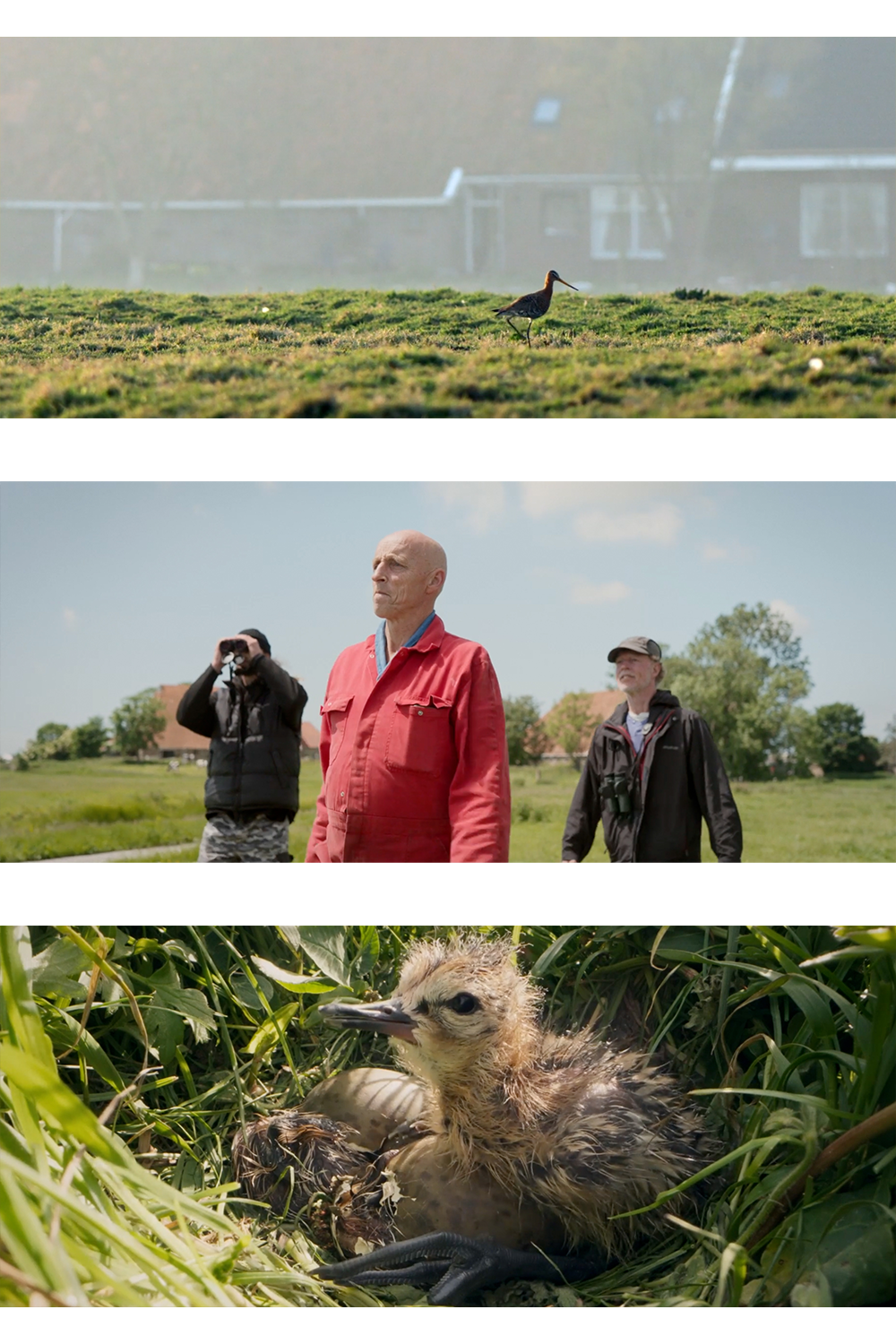
1st Wildlife unit
2DOC on NPO and released in cinemas in 2023.
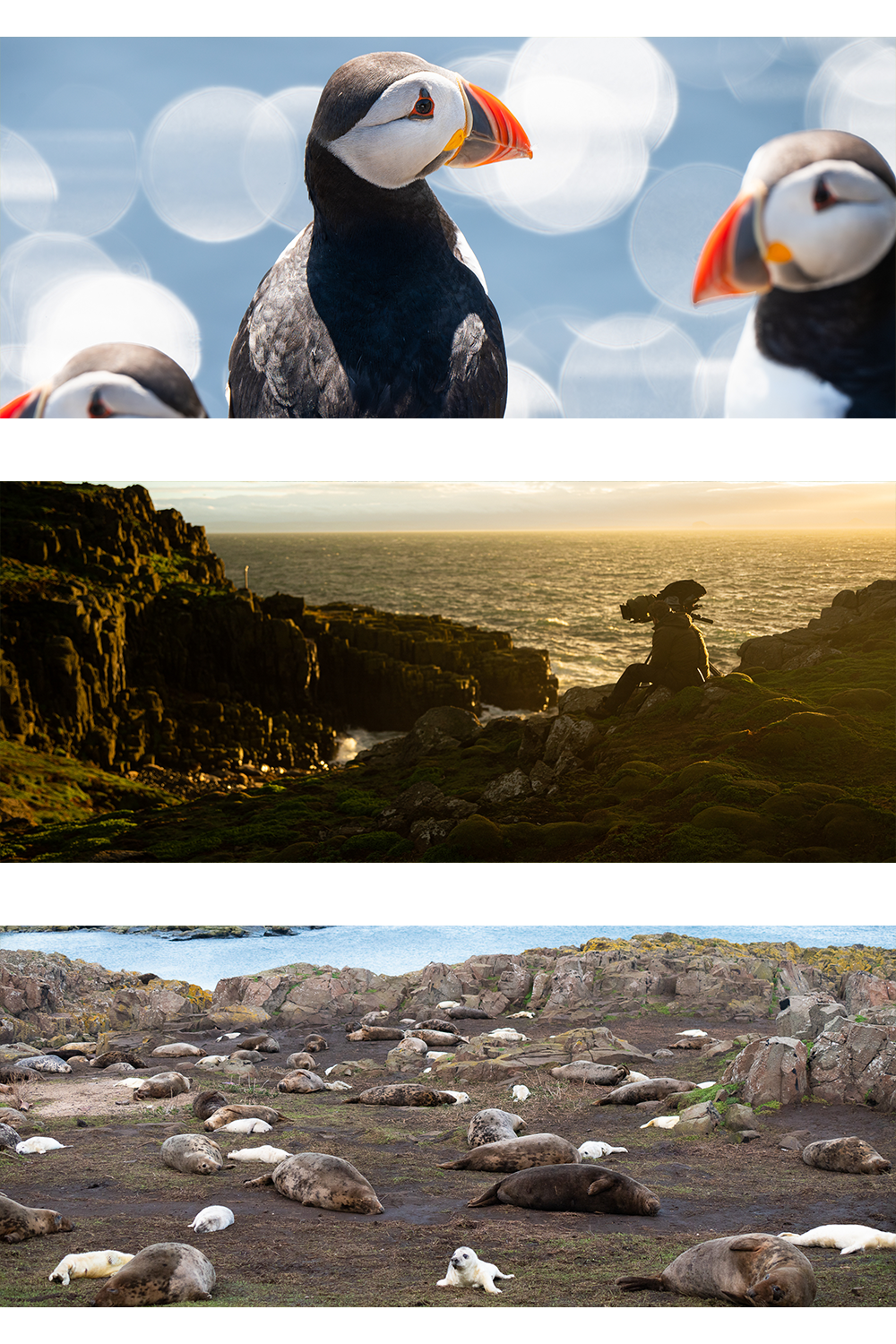
1st AC and Wildlife unit above sea level
3-part series on NPO and released in cinemas in 2024!
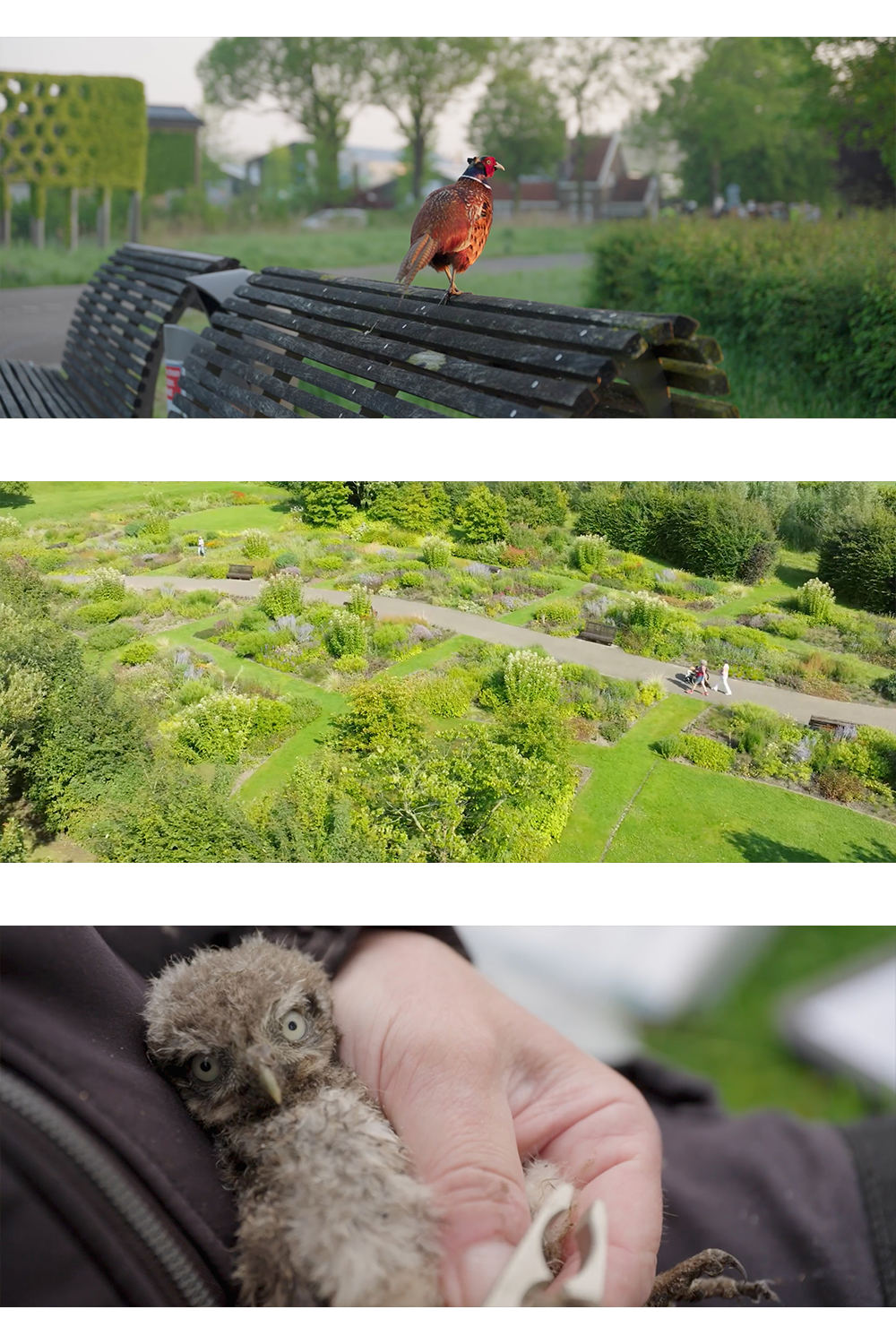
DOP and camera
In cinemas October 2025.
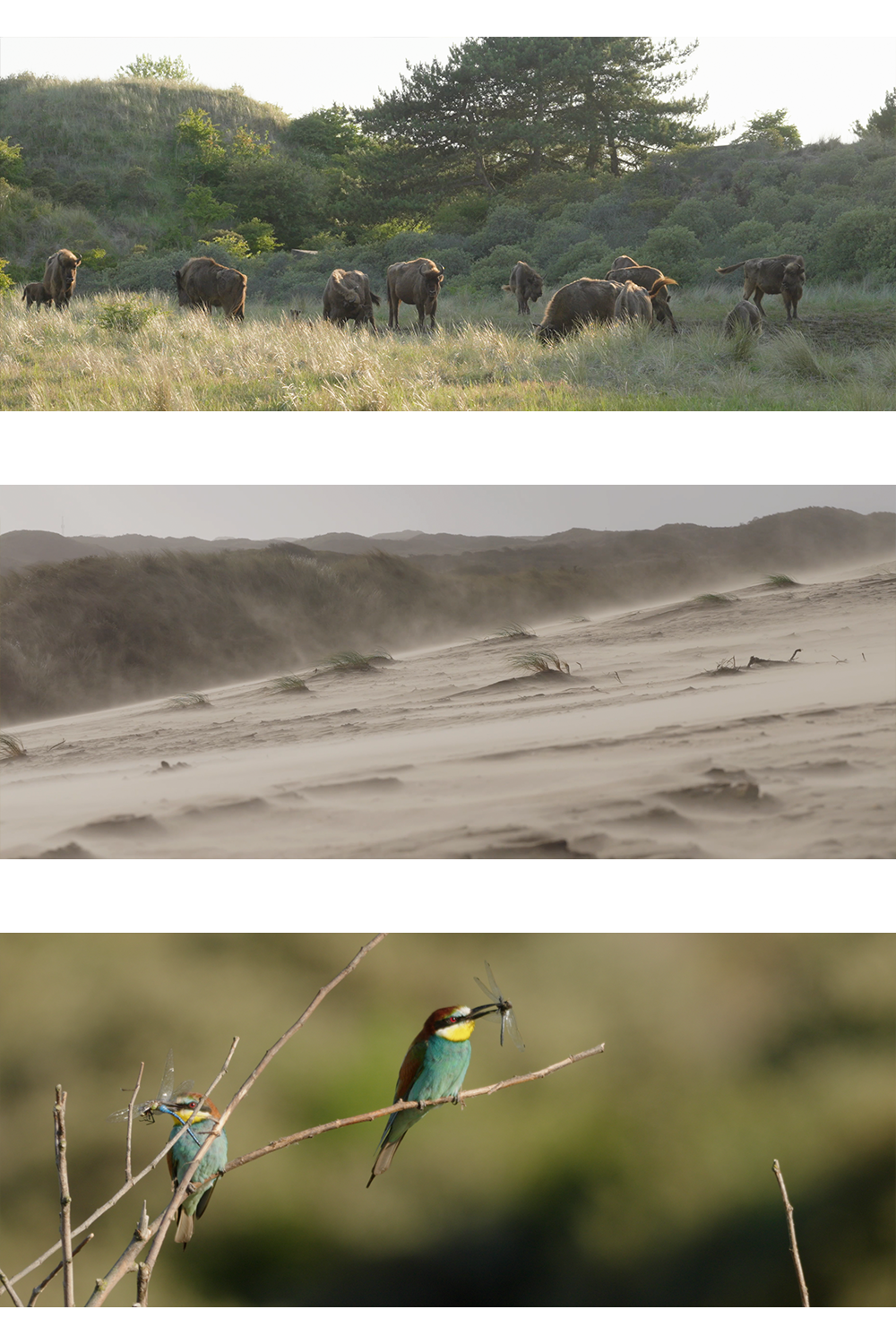
Directing and camera
2027 expected in cinema
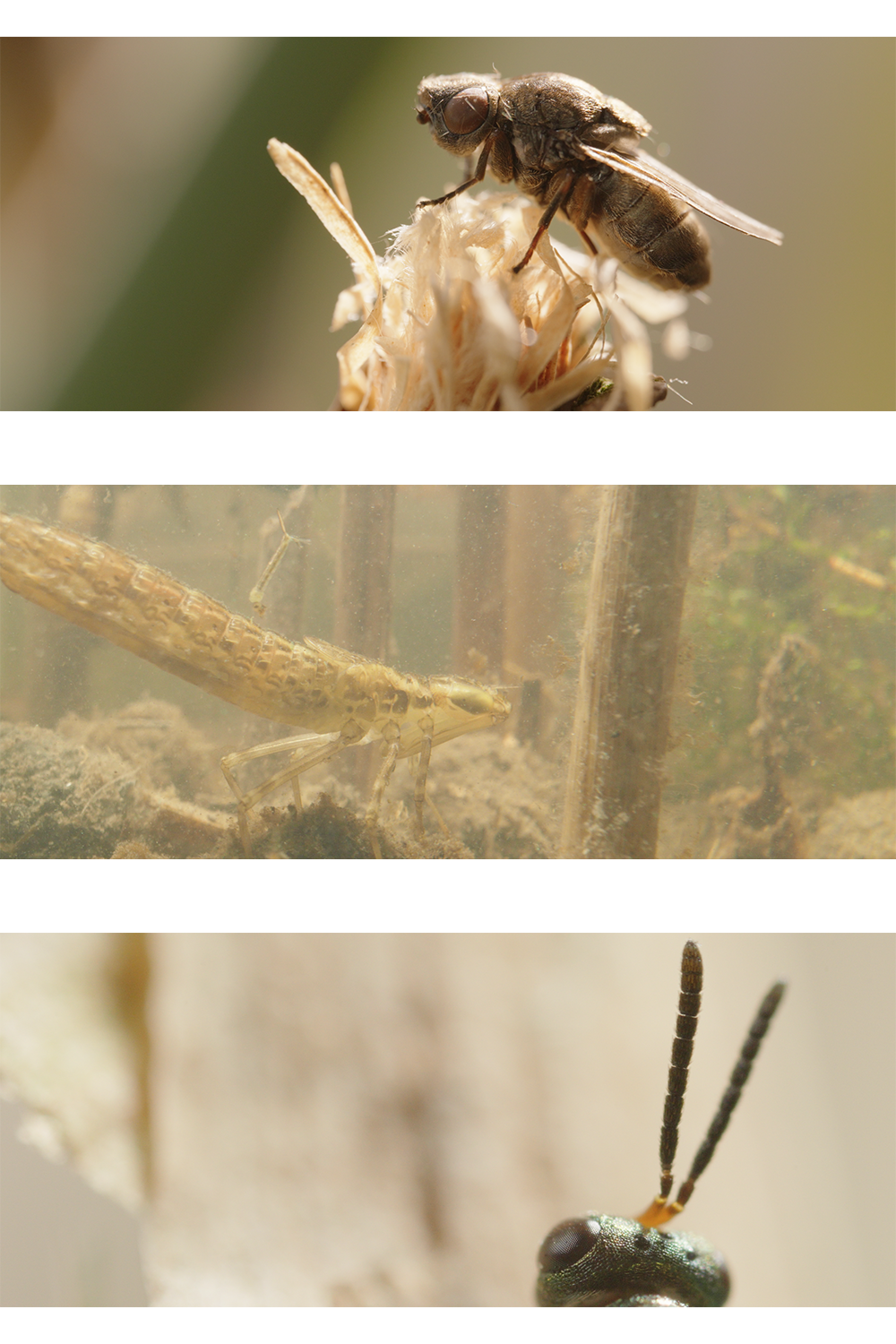
Wildlife unit
2027 expected in cinema
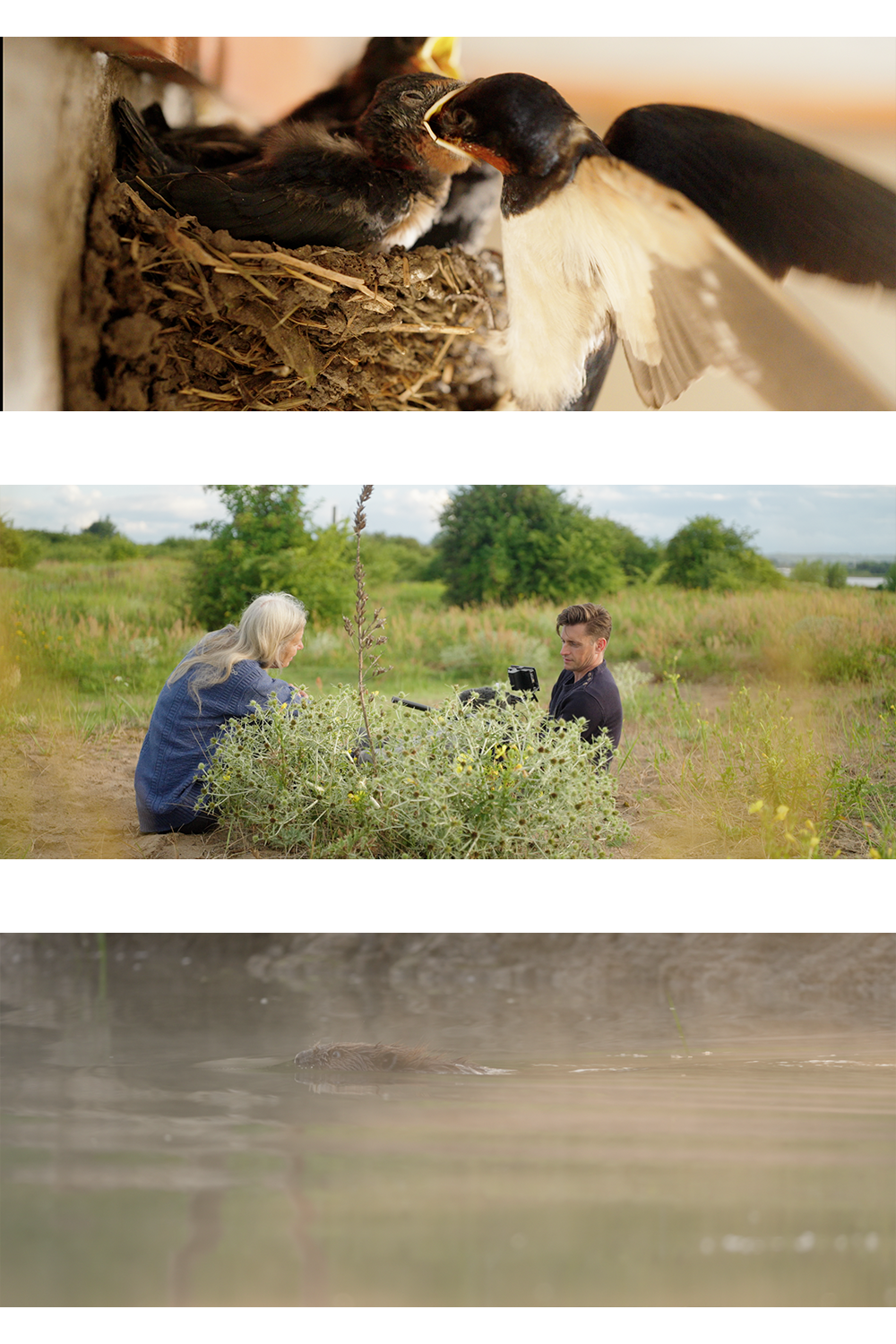
DOP and Camera
2026 expected in cinema
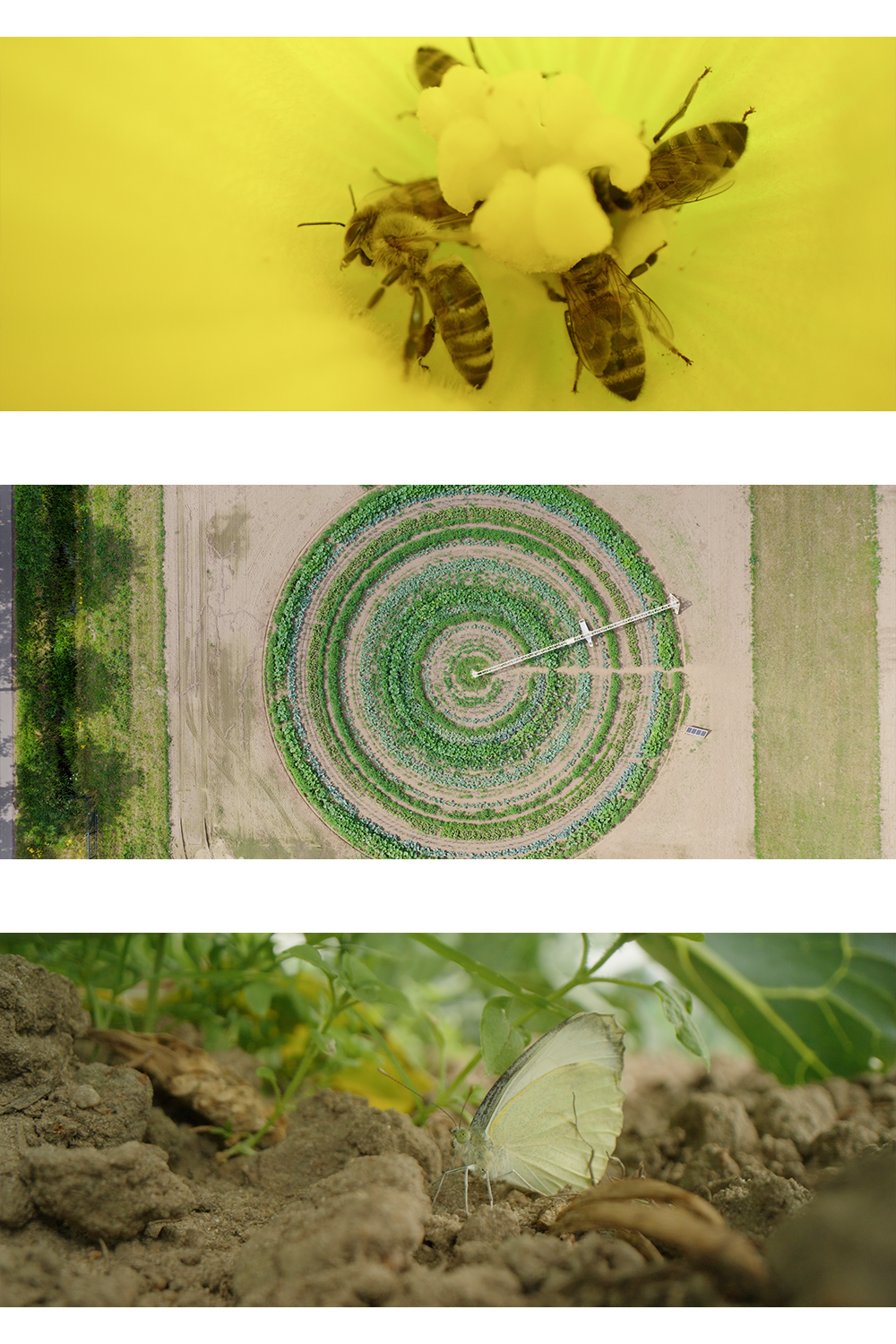
Camera and directing
Dutch Design Week 2025


February, 2024. According to Volkskrant, it offers a beautiful and nuanced portrayal of a farming family facing difficult decisions. “Barbara Makkinga, the director, doesn’t push things to the limit. She neutrally and curiously focuses her camera on the De Boer family, a reserved yet loving family.” by Pauline Kleijer
October, 2023. “The opening film of WFFR ’23, Our Nature – The Wild Belgium, is an ambitious nature documentary about the nature in the backyard of Belgium. Beautiful stories about familiar and unfamiliar animals that inspire wonder and increase love and respect for the nature of our neighboring country. This is the story of the winners, the opportunists, the fighters, the clever ones, the bosses. But also of the losers and the species that we may not encounter anymore in a few years… Survival of the fittest, in its most brutal and fascinating form, in a land where at first glance there seems to be no space for that wild nature.” Source wffr.nl.
February, 2023. In KRO-NCRV’s new documentary series Ruimteschip Aarde, you’ll get a different view of the world, and the Netherlands, together with André Kuipers. From space, André Kuipers, naturalists and stunning nature images take you on a magical journey of discovery. And experience how beautiful but also fragile our planet is.
February, 2023. ‘Onze Natuur, de film’ was the winner in the Best Documentary (Film) category. This is not only an incredibly beautiful and valuable recognition for the hard work of the entire team, but also a significant boost for the stunning, yet vulnerable Belgian nature.
January, 2023. After the cinema success of Onze Natuur, the Movie, VRT and Hotel Hungaria are bringing wild Belgium even closer with the long-awaited documentary series on Canvas and VRT MAX.
December, 2022. Hotel Hungaria: “A quarter of a million Belgians have already seen the documentary on the big screen, a great result for a Belgium made film.
March, 2022. A 4-star review in the Volkskrant (newspaper). Kevin Toma: “Cameraman Dick Harrewijn’s images are among the most hallucinatory in Dutch cinema.”



For this series, I embarked on a journey with the Najade, a flat-bottomed boat, for the Kampioen (ANWB). Together with forest ranger Arjen Postma, we set out for one of the wildest locations in the Netherlands: the Wadden Sea. We departed at night, stranded on a sandbank, and at sunrise, we searched for emerging mussel banks in the most dynamic area of our country. This flat-bottomed boat provides a remarkable nature experience for those who come on board.
The area stretches from Den Helder in the Netherlands to Esbjerg in Denmark. It has a length of 500 km of coastline and a width of only twenty kilometers on average. It’s area is as much as 10,000 square kilometers, and about 7,500 square kilometers is depending on the tides.
This series was created for the The Champion in issue 01/2022.
For National Geographic, I had the opportunity to create a series about the traditional ‘wilsterflappen’. In the past, this was used for consuming various types of meadow birds. Nowadays, only a handful of permits have been issued to wilsterflappers who use their talents for science. The NIOZ conducts scientific research on these birds, and through this trapping method, they attach transmitters to the backs of the Rosse grutto’s. The transmitter never weighs more than 5% of the body weight, so the bird doesn’t experience any disadvantages.
The use of state-of-the-art transmitters allows scientists to watch the behaviour of the Bar-tailed godwit. They ultimately tell a story about global warming, but also about our dealings with the Wadden Sea and our pastures as well. Because of a solar panel on the transmitter, the tagged Bar-tailed godwit can provide scientists with information for a very long time. That information is essential to the survival of this species.
This series was posted in National Geopgrahic 09/2022 with text by Rob Buiter.


The Netherlands is built full of high ways. It crosses all kinds of natural areas and more and more asphalt is being added in the past few years. Wildlife viaducts simultaneously reconnect those areas, but despite our good efforts, fragmentation occurs. More and more animals are losing habitat as a result. Happily, this is just not true for all species. Along highways, nature sometimes develops. For example: at both sides of the A1 highway. Asian water buffalo have been given a place there. In addition, some animals do not care about highways, such as the red ant and the stork.
For the Kampioen, I went to see how nature is doing around highways. I went out looking for insects, birds and mammals in places where we drive by at 70 mph. Those who look closely will find another piece of nature there, and perhaps we can arrange it in a way that biodiversity actually increases. For example: flowery roadsides and nesting opportunities for birds. In doing so, we may be able to create a new type of habitat and increase opportunities for beetles, bees, storks, rare martens and ants.
This series was created for the De Kampioen in issue 06/2022.
The number of geese wintering and breeding in the Netherlands have increased dramatically in recent years. As a nature lover, I loved seeing this, but during my studies I found out that too many geese also bring problems. Farmers in particular suffer greatly from the large flocks of birds: they eat the crops and pedal the land. In my opionion, this contradiction is very interesting. For where the geese thrive on our soil, we do everything we can to map and regulate their numbers. For this series, I have looked over the shoulder of hunters, farmers, scientists and others involved, to portray this tension.
Groene camera, jury report: “In this series we see how humans battle the large population of geese in our country. A wealth that is by no means appreciated by everyone. Again and again, man invents ways to limit nuisance from geese. From shucking eggs, gassing, setting up special refuge areas to directly shooting them. Eventually, many end up on a chef’s table. The series takes us through the various methods of control, but the photographer does not pass judgment. With his objective way of recording, he leaves it to the viewer to form his own opinion.”
This series was named a winner at the Groene Camera in 2020.


From a young age, Jeffrey has had a deep passion for nature and photography. Growing up, he spent much of his time on the Veluwe, always carrying a camera with him. This love for the natural world sparked his interest in ecology and in telling its stories through photography and film. It was a natural step for him to study Forest and Nature Conservation at Wageningen University.
During his studies, Jeffrey contributed to WILD, a feature film about the Veluwe. He then spent a year under mentorship at National Geographic and began his career as a cameraman on the production Silence of the Tides. Since then, nature filmmaking has never let him go. He has worked on productions such as Onze Natuur, Spaceship Earth and The Wild North Sea — projects that perfectly align with his fascination for nature and his ambition to capture it at the highest level.
Jeffrey specializes in nature film productions for cinema and television. With his camera, he captures the natural world in all its facets, from intimate macro shots of insects to sweeping landscapes filmed with long lenses. He works with high-end cameras such as the Sony Venice, FX9, FX6 and RED, and effortlessly incorporates drones, gimbals, time-lapse techniques and the Phantom Flex for high-speed slow motion.
Whether facing scorching heat, bitter cold or heavy rain, Jeffrey keeps filming. His converted van serves as a mobile base on location, complete with coffee, heating, air conditioning and power supply for all equipment. This allows him to capture nature anywhere in the world, exactly when it matters most.


– Camera assistant
– Camera assistant
– Photographer

